
Somewhere along the line, we started giving food moral labels. Strawberries? Good. Chocolate cake? Bad. Carrots? Good. Pizza? Bad.
Seems simple, right? Except it’s not.
When we label food as good or bad, we’re actually keeping ourselves trapped in a cycle of guilt, shame, and restriction. And ironically, that cycle makes it harder to eat well—or to enjoy food at all.
What Do We Really Mean by “Good” and “Bad”?
Think about it: what would you put in the “good” column? I’d say strawberries, blueberries, broccoli, carrots—foods that grow in the ground, are colorful, and are loaded with nutrients.
Now the “bad” list: chocolate cake, M&Ms, pizza, grilled cheese, ice cream… basically anything that makes you close your eyes and say “mmmmm.”
But here’s the catch—who decided this system in the first place? And why do we keep following it like it’s law?
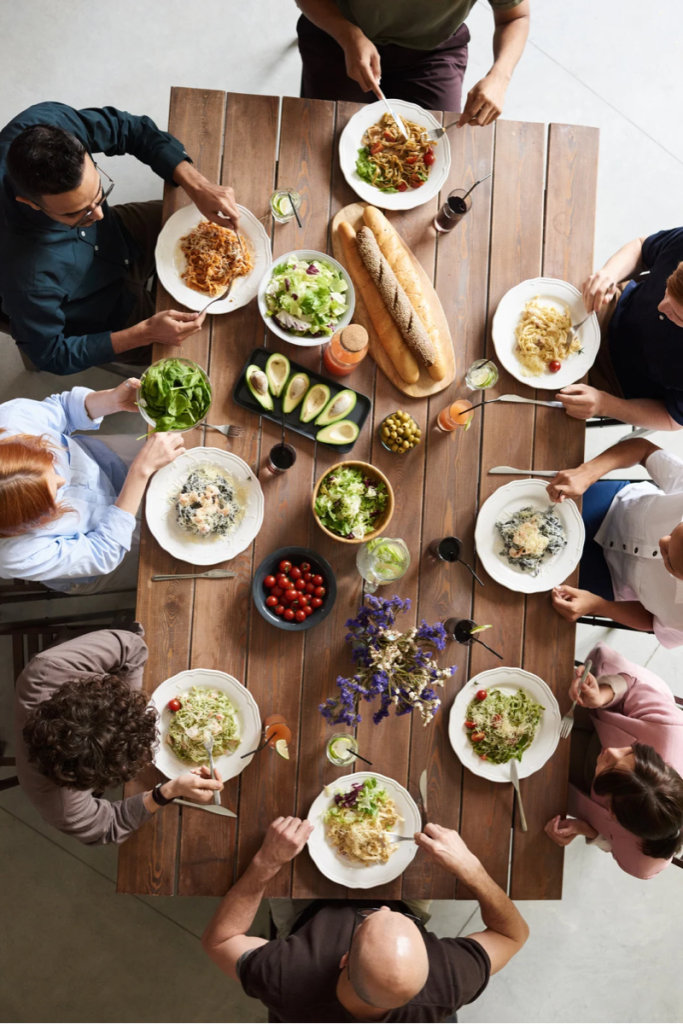
Yes, strawberries are nutritious. But what about a slice of birthday cake surrounded by your family? Or pizza on a Friday night with your best friends? Those moments may not “nourish” you in the broccoli-and-vitamin sense, but they can absolutely feed your soul, strengthen your relationships, and reduce stress. Isn’t that also a kind of health?
The Guilt Trap
The problem with labeling food is that it doesn’t tell the whole story. Instead, it creates a narrative that you’re “good” if you eat one thing and “bad” if you eat another. Suddenly, having a slice of pizza isn’t just pizza—it’s failure.
And that guilt doesn’t just stop there. For many people, guilt turns into shame, which can trigger stress, overeating, or even more restrictive dieting. It’s a vicious cycle: stress leads to comfort food, comfort food leads to guilt, guilt leads to more stress. Rinse and repeat.
A Healthier Way to Think About Food
Here’s a truth that can feel uncomfortable because it goes against decades of diet culture:
Food is both fuel and joy.
We do need nutrients—vitamins, minerals, protein, fiber—to keep our bodies functioning. But we also need connection, comfort, and pleasure. A salad might fuel your cells, but sharing dessert with your spouse might fuel your marriage. Both matter.
Imagine giving yourself permission to enjoy food for all it offers—whether that’s a plate of roasted vegetables or a slice of pizza during girls’ night. When you stop attaching morality to what’s on your plate, food becomes less about guilt and more about choice. And choice is empowering.
Moving Forward
Life will throw curveballs. Some days you’ll make a beautiful balanced meal. Other days you’ll eat whatever fits between soccer practice and late-night emails. That doesn’t make you “bad”—it makes you human.
So the next time you find yourself about to call food good or bad, pause. Instead, ask: What is this food giving me right now? Maybe it’s nutrients. Maybe it’s comfort. Maybe it’s joy.
The healthiest relationship with food is one that embraces both. Because in the end, broccoli and birthday cake can live on the same plate—and in the same healthy life.
If you need a little more direction on how you can add more balance to your diet (and your life!), sign up HERE for a free 30 minute call. No obligation, just a chat; I want you to move forward!



 Simple solutions to fit Real Life
Leave a comment